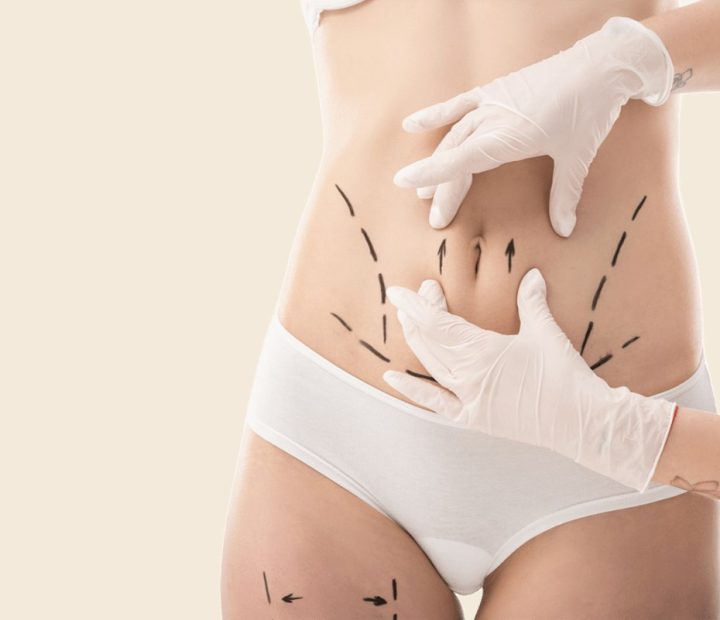
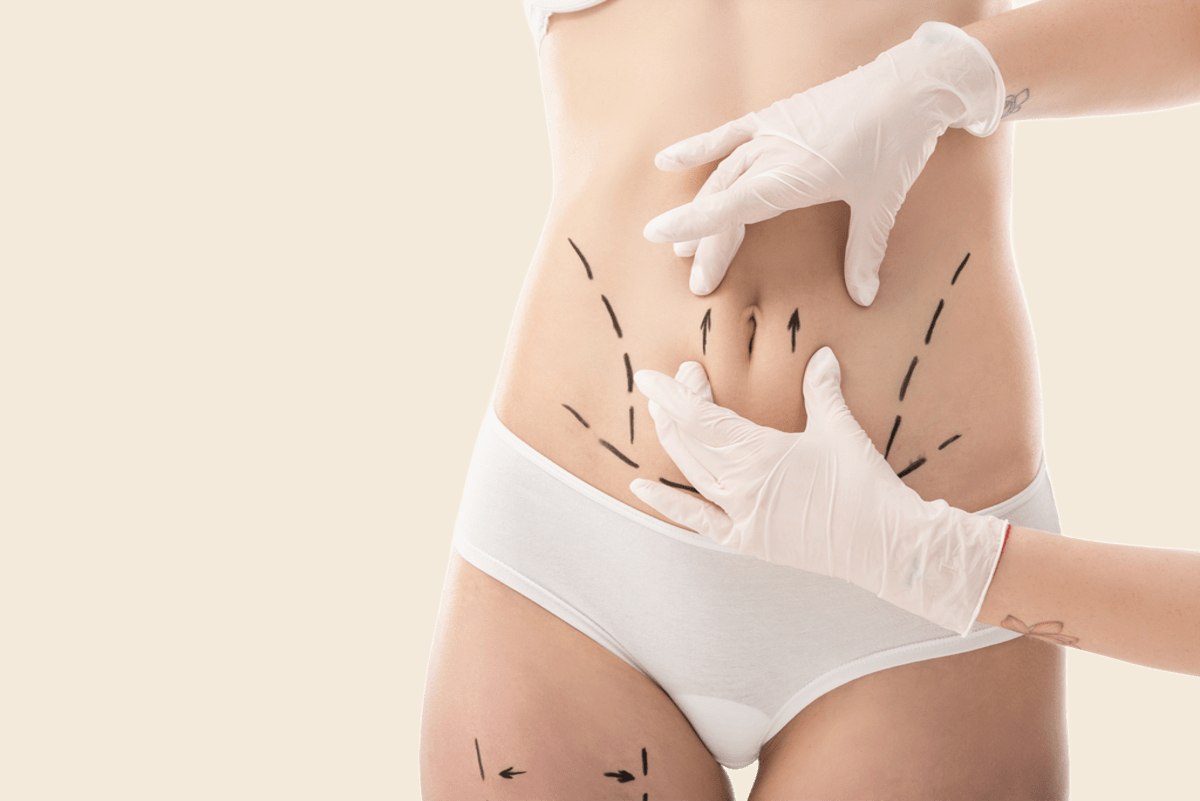
Plastic surgery has evolved significantly over the past decades. Modern techniques focus on safety, precision, and natural-looking results. Patients today seek subtle enhancements rather than dramatic changes. Advanced medical technology improves surgical accuracy. Surgeons prioritize individualized treatment plans. Consultation plays a vital role in understanding expectations. Education helps patients feel confident and informed. Transparency about procedures builds trust. Safety standards continue to improve globally. Modern plastic surgery blends science and artistry.
Visual impact comes from clarity and intention. Strategy keeps creativity focused and effective. It bridges imagination and results.
Choosing the Right Procedure
Selecting the right procedure begins with clear goals. Patients should identify what they hope to improve. A qualified surgeon evaluates medical history carefully. Personalized recommendations ensure appropriate treatment. Not all procedures suit every individual. Realistic expectations lead to higher satisfaction. Surgeons explain risks and benefits in detail. Communication builds clarity and confidence. Informed decisions reduce unnecessary stress. Careful planning ensures better outcomes.
Certification ensures proper medical training and expertise. Board-certified surgeons follow strict safety standards. Experience significantly impacts surgical results. Patients should research credentials thoroughly. Reputable clinics maintain transparent communication. Clean facilities reflect professional commitment.
Preparing for Surgery and Recovery
Preparation improves both comfort and outcomes. Patients receive guidelines before their procedure. Avoiding certain medications reduces complications. Mental readiness is equally important. Recovery requires patience and discipline. Following aftercare instructions speeds healing. Rest and hydration support the body’s recovery process. Swelling and bruising are normal initially. Regular follow-up appointments monitor progress. Proper preparation leads to smoother healing experiences.
Personalized procedures help improve self-esteem and body image.
Modern tools ensure precision and safer outcomes.
Proper procedures deliver lasting and natural-looking improvements.