
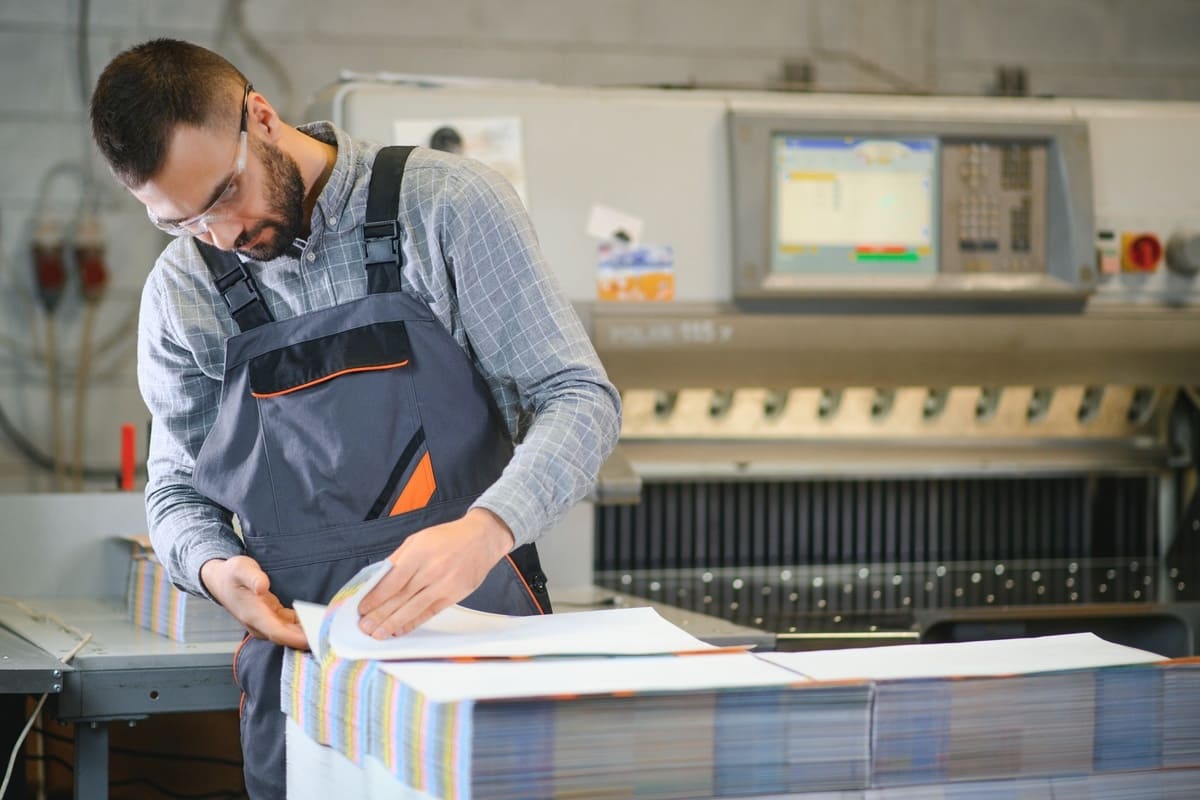
Printing remains a vital part of business branding, even in the digital era. It gives a tangible presence to your ideas, helping brands build trust and recognition. From business cards to brochures, the power of print lies in its lasting impression. While online marketing fades quickly, printed materials stay visible and memorable. Businesses that invest in print show professionalism and credibility. Printing also bridges the gap between design and reality, bringing creative visions to life. Every print project is an opportunity to express quality and attention to detail. Whether for promotion or presentation, print elevates your message. With modern technology, printing is now faster, smarter, and more efficient. It’s not just ink on paper—it’s the art of communication.
The printing world offers a range of options, from digital to offset printing. Digital printing suits short runs with quick turnaround times. Offset printing, on the other hand, is ideal for large quantities with consistent color accuracy. Wide-format printing works best for banners, posters, and outdoor displays. Each method serves a unique purpose depending on your project needs. Understanding these options helps in choosing the right solution for cost and quality. Some businesses combine both digital and offset printing for versatility. Printing services also extend to packaging, labels, and merchandise. With today’s innovation, customization is easier than ever. Knowing the right type ensures your final product meets both purpose and style.
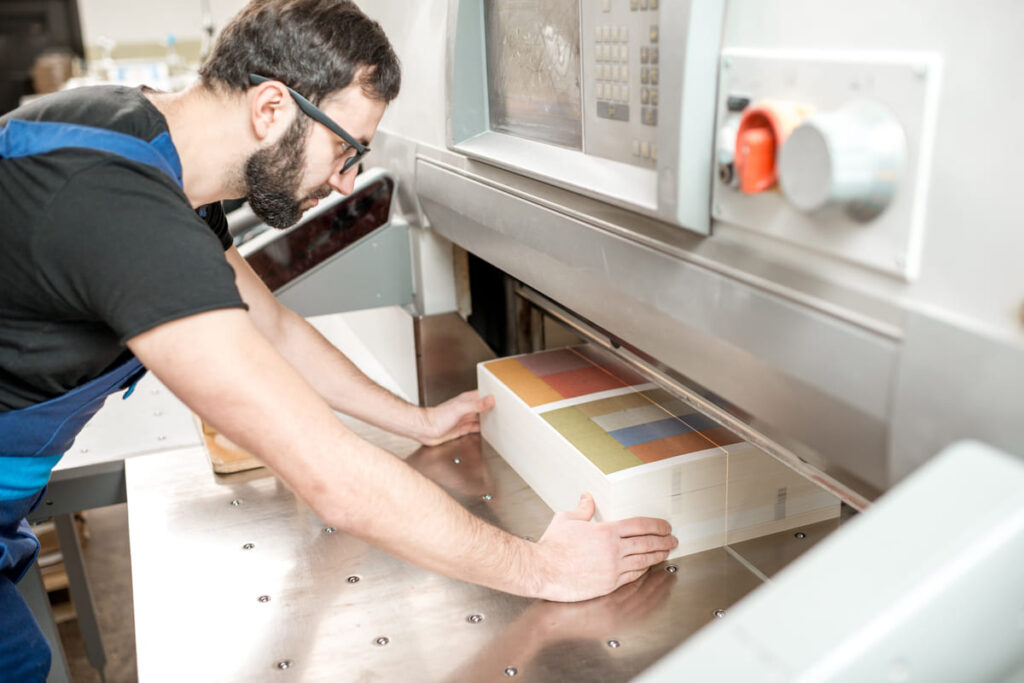
Good design is the foundation of every excellent print. Color balance, typography, and image resolution all influence the final output. Designers must think beyond screens and consider how their work will look on paper. Using the right file format and bleed settings prevents unwanted cropping or color shifts. Consistency in color profiles ensures the design stays true to brand identity. Texture, contrast, and spacing bring visual harmony when printed. Collaboration between designers and printers results in smoother workflows and fewer errors. Even small details like font thickness can affect readability. A design that’s optimized for print makes your brand stand out. Great printing starts with great design thinking.
Printing continues to evolve with advanced technology and creative solutions. Automation now streamlines large-scale projects with precision and speed. 3D printing opens new possibilities for design and production industries. Artificial intelligence assists in layout optimization and color prediction. Personalization through digital data makes each print unique. Businesses can now print on nearly any surface, expanding creativity. Sustainable inks and smart materials define the next generation of printing. The future combines efficiency, innovation, and eco-consciousness. As technology advances, print remains timeless in its impact. The next era of printing will be both smart and sustainable.
